Read Time: 9 min
Custom Furniture Cost Guide for Homeowners: Materials, Design & Labor
Custom furniture offers unique style and function, but its cost often exceeds mass-produced items. This guide explains the key factors, like materials, design, labor, and size, that influence pricing, helping you balance budget with quality for a lasting investment.
You may also see this category called bespoke furniture — the terms are often used interchangeably, and for most practical purposes they mean the same thing: a piece made specifically for you, to your specifications, by a skilled craftsperson. Where they differ is in degree. Truly bespoke work goes further than standard custom ordering: it typically involves a deeper design collaboration, finer joinery techniques, and a higher level of material selectivity. A custom piece is built to your dimensions and finish preferences; a bespoke piece is designed from scratch around your exact needs, aesthetic, and often the specific character of the wood itself. Both cost more than mass-produced furniture — and both are worth understanding before you commit to a budget.
TL;DR / Key Takeaways
Custom and bespoke furniture costs more than retail — here’s the range and what drives it.
- Wood species is the biggest material cost variable — walnut runs $50–$90/board foot vs. $10–$25 for pine
- A simple custom piece (e.g., dining table with clean lines) starts around $1,200; ornate or bespoke work often exceeds $2,500–$5,000+
- Experienced artisans charge $50–$100/hour; less experienced makers run $25–$40/hour
- Lead times run 4–6 weeks for simple pieces, 8–12+ weeks for complex or fully bespoke work
- Size, design complexity, upholstery, and overhead each layer additional cost on top of materials
Which Materials Influence the Cost of Custom Wood Furniture?
Wood species, upholstery, and hardware are major cost drivers. These choices impact a piece’s look, lifespan, comfort, and function, allowing you to align with your budget and style.
How Do Different Wood Types Affect Custom Furniture Pricing?
Wood selection significantly impacts price. Dense hardwoods (oak, cherry, walnut, maple) cost more due to superior durability and richer finishes. Walnut is prized for its deep, chocolatey color and is a common choice for high-end bespoke work. Softer woods like pine are more affordable but less durable and suit a more casual aesthetic. For custom solid wood furniture, the species you choose sets the baseline for everything else.
| Wood Type | Cost Range | Durability | Aesthetic Appeal |
|---|---|---|---|
| Oak | $35-$50 per board foot | High | Classic grain patterns |
| Cherry | $40-$60 per board foot | High | Warm, rich color |
| Walnut | $50-$90 per board foot | Very High | Luxurious appearance |
| Pine | $10-$25 per board foot | Moderate | Light, rustic look |
Understanding these trade-offs helps you choose wood based on durability, aesthetic, or budget. A maker specializing in bespoke furniture will often guide you toward species that suit the specific piece — not just the one that photographs well in a showroom.
What Role Do Upholstery and Hardware Play in Furniture Cost?
Upholstery and hardware are easy to underestimate, but they directly affect both the final cost and the longevity of the piece.
On the upholstery side, entry-level performance fabrics run $20–$50 per yard; mid-grade wovens and velvets range from $50–$120 per yard; top-grain leather starts around $150 per yard and can exceed $300 for full-grain hides. A fully upholstered custom chair might use 4–6 yards of fabric, so the material choice alone can swing the final price by $500 or more.
Hardware such as hinges, drawer slides, pulls, and fasteners tell a similar story. Solid brass or steel hardware from quality suppliers costs 3–5× more than cast zinc equivalents, but it holds up to daily use for decades rather than years. For bespoke pieces especially, hardware is where makers signal their commitment to the long game: soft-close drawer slides, mortised hinges, and hand-forged pulls are details a buyer feels every single day.
How Does Design Complexity Impact the Price of Handcrafted Furniture?

Design complexity directly correlates with the time and skill needed, thus driving cost. Simple designs are quicker; intricate work demands more time and specialized techniques.
What Are the Cost Differences Between Simple and Intricate Custom Designs?
Basic designs with clean lines are less expensive due to faster production. Intricate designs featuring carvings, inlays, or compound curves demand more labor and expertise, significantly increasing the price. A simple dining table might start around $1,200, while a fully carved or inlaid version can exceed $2,500, and a truly bespoke commission with custom joinery and figured wood selection can reach $4,000–$6,000 or beyond for a large piece.
How Do Unique Features and Personalization Affect Pricing?
Customization — specific dimensions, finishes, built-in storage, or integrated features like extension leaves and cable management — adds both time and materials to the final cost. These tailored details are exactly what separates a custom or bespoke piece from anything you’d find in a showroom. If you’re working with Blue Ridge Furniture’s custom ordering process, you’ll work through these decisions collaboratively before a single board is cut, so the final price reflects your actual priorities rather than a catalog guess.
What Labor and Craftsmanship Factors Determine Custom Furniture Cost?
Labor and craftsmanship are central to pricing. The experience of the artisans and the hours invested directly influence the final cost.
How Does Artisan Skill Level Influence Labor Costs?
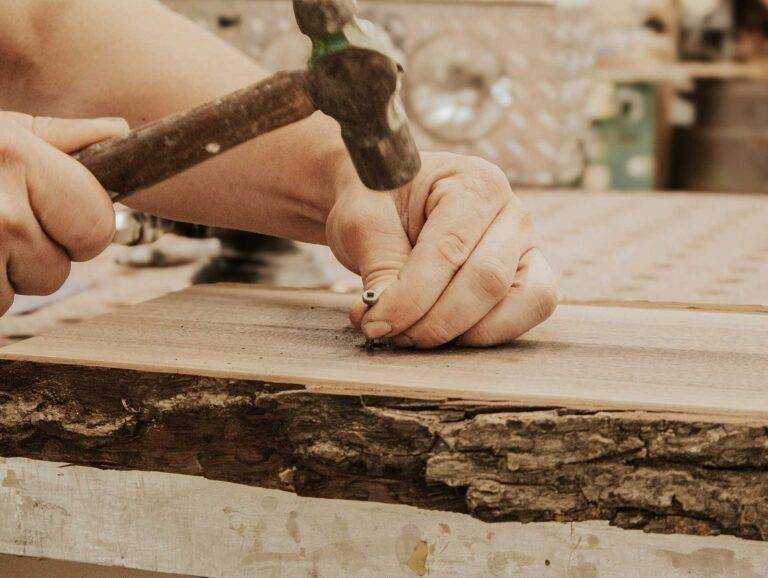
Experienced artisans command higher rates due to their refined techniques, consistent results, and ability to reduce errors — all of which enhance durability and reduce the risk of a costly redo. Master craftsmen typically charge $50–$100/hour; less experienced makers run $25–$40/hour. That gap matters most on complex or bespoke commissions where a single mistake in joinery or finishing can set a project back by days. When you visit our Honey Brook workshop, you’re seeing the result of over three decades of that kind of accumulated expertise — the kind that doesn’t show up in a quote but absolutely shows up in the finished piece.
What Is the Time Investment Required for Handcrafted Furniture?
Build time depends entirely on the complexity and scale of the piece:
- A simple accent table or nightstand: 3–5 days of build time
- A custom dining table with straightforward joinery: 1–2 weeks
- A bedroom suite (bed frame, dresser, two nightstands): 3–6 weeks
- A fully bespoke commission — hand-cut joinery, figured wood, custom carving: 8–16 weeks or more
Longer build times increase costs due to extended labor, material holding, and finish curing time between coats. They also reflect quality: furniture built to last generations is not rushed. When discussing timelines with a maker, a quoted lead time that seems suspiciously short is worth questioning.
Why Is Size and Scale Important in Calculating Custom Furniture Prices?

Larger pieces demand more materials and labor for assembly and finishing, directly increasing costs, especially for custom-fitted items where every inch is intentional.
How Do Larger Pieces Affect Material and Labor Costs?
Larger items like sectionals or dining tables require significantly more materials (wood, foam, fabric, hardware) and considerably more labor. Both scale up proportionally: a large custom dining room table for 8–10 people might cost $2,500–$4,500, while a smaller table for 4–6 seats starts around $1,200–$2,000. A custom sectional sofa can run $2,500–$4,000 versus $1,000–$1,500 for a loveseat.
What Overhead Costs Are Included in Custom Furniture Pricing?
Beyond materials and labor, custom furniture pricing includes a range of operational costs that are easy to overlook when comparing a handcrafted quote to a retail price tag:
- Workshop overhead: facility costs, utilities, insurance, equipment maintenance
- Tooling: quality woodworking tools (hand planes, chisels, router bits, sandpaper) are consumables that need regular replacement
- Finishing materials: stains, oils, lacquers, and wax cost significantly more per gallon at professional grades than at the hardware store
- Delivery and white-glove setup: for large or fragile bespoke pieces, professional delivery protects both the piece and your floors
- Design time: the consultation, drawing, and approval process before a single board is cut represents real skilled labor
A maker who breaks this out transparently, rather than burying it in a lump quote, is telling you something important about how they run their business.
Conclusion
Understanding what drives custom and bespoke furniture costs (materials, design complexity, artisan skill, and scale) puts you in a far better position to evaluate quotes, set realistic expectations, and ultimately invest in a piece you’ll keep for decades rather than replace in five years.
The difference between a $1,200 custom table and a $4,000 bespoke commission isn’t just price — it’s the depth of collaboration, the selectivity of materials, and the precision of execution. Knowing where your priorities sit helps you have a more productive conversation with any maker you work with.
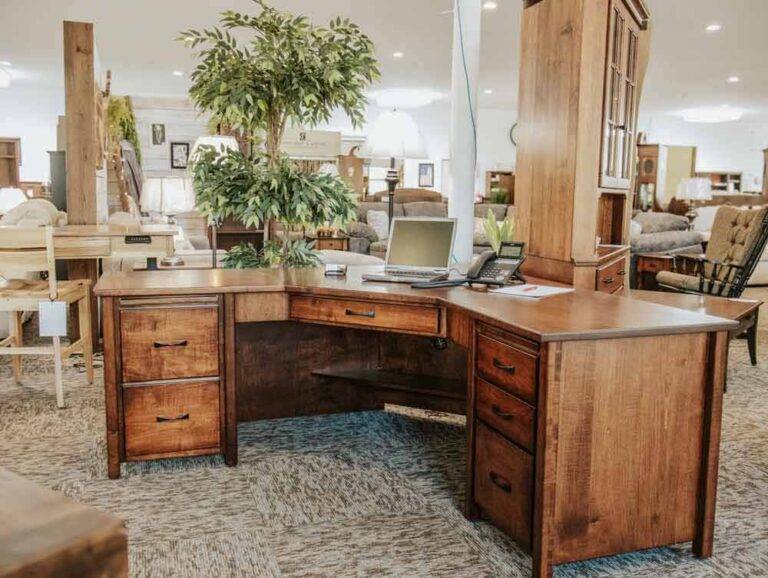
At Blue Ridge Furniture, we build custom solid wood pieces from our workshop in Honey Brook, PA — serving homeowners across Chester County, West Chester, Philadelphia, and the surrounding region. If you’re ready to talk through a project, request a custom quote, or stop by our showroom at 3404 Horseshoe Pike, Honey Brook, PA 19344. We’re happy to walk you through options, timelines, and pricing with no obligation.
Based in Honey Brook and serving Lancaster County, Chester County, and surrounding Pennsylvania areas, Blue Ridge Furniture ships worldwide with delivery available up and down the East Coast.
Frequently Asked Questions
What is the average lead time for custom furniture orders?
Lead times vary by complexity and shop schedule. Simple pieces take 4–6 weeks; detailed work can be 8–12 weeks or longer. Fully bespoke commissions, where design, material selection, and joinery are all custom, can run 12–20 weeks from deposit to delivery. Discuss timelines early with your maker so expectations are clear on both sides.
What is bespoke furniture, and how is it different from custom furniture?
Bespoke and custom furniture are often used interchangeably, and in most everyday contexts they mean the same thing: a piece made to your specifications rather than pulled from a catalog. The distinction, when it exists, is one of degree. Custom furniture is typically built to your dimensions and finish preferences within a maker’s existing repertoire. Bespoke furniture goes further — it’s designed from scratch around your specific needs, involves a deeper collaboration process, and often includes finer joinery techniques and more selective material choices. Both cost more than mass-produced alternatives; truly bespoke work sits at the higher end of that range.
How much does bespoke furniture cost compared to custom?
Genuinely bespoke pieces that are fully designed from scratch with hand-cut joinery, figured wood selection, and extensive design collaboration typically run 30–60% more than standard custom work for the same footprint. A custom dining table might start at $1,200–$2,000; a bespoke version of the same table with hand-cut mortise-and-tenon joinery, book-matched walnut, and a custom finish could reach $3,000–$5,000+. For a detailed breakdown of what drives that difference, see Blue Ridge’s custom furniture options.
Are there financing options available for custom furniture purchases?
Many makers offer financing or payment plans, sometimes partnering with third-party lenders. Inquire about options when requesting a quote — breaking a $3,000 commission into installments can make bespoke work more accessible without compromising on quality.
How can I maintain and care for my custom furniture?
Dust regularly, avoid direct sunlight, and use coasters on wood surfaces. For upholstery, treat stains quickly and consider professional cleaning annually. Use wood polish or conditioner as directed by your maker — the right product depends on the finish applied. See our guide to the benefits of investing in custom solid wood furniture for a deeper look at the benefits of custom furniture and how to care your investment.
What should I consider when choosing a custom furniture maker?
Evaluate experience, craftsmanship, and past work. Check reviews and references — Blue Ridge Furniture carries a 4.6-star rating across 65 verified reviews. A good maker offers design advice, collaborates on budget, communicates clearly about timelines, and is transparent about what’s included in the quote. If a maker can’t explain their joinery methods or finish process in plain language, that’s worth noting. You can learn more about Blue Ridge Furniture’s approach before reaching out.
Can I request eco-friendly materials for my custom furniture?
Yes, many makers offer reclaimed wood, low-VOC finishes, and sustainably sourced hardwoods. Discuss your sustainability preferences when requesting a quote — a maker committed to this approach will have specific supplier relationships and certifications to share rather than vague assurances.
What are the benefits of investing in custom furniture over mass-produced options?
Custom and bespoke furniture offers a precise fit for your space, superior build quality, and higher-grade materials — leading to a longer lifespan and a piece that genuinely reflects your aesthetic. Mass-produced furniture is engineered to a price point; custom work is engineered to last. Over a 20–30 year horizon, a well-built custom piece often costs less per year of use than three cycles of mid-range retail furniture.